Iliopsoas Tendonitis Exercises: A Comprehensive Plan
A non-operative rehabilitation program, detailed in a comprehensive PDF guide, successfully treats over 95% of patients, focusing on stretching, strengthening, and recovery techniques․
Understanding Iliopsoas Tendonitis
Iliopsoas tendonitis, often linked to hip pain and limited mobility, benefits greatly from a structured exercise approach, as outlined in detailed PDF rehabilitation guides․ This condition involves inflammation of the iliopsoas tendon, a key hip flexor․
Effective management centers around modifying activity levels and incorporating relative rest alongside targeted exercises․ A comprehensive program aims to improve both pain levels and overall function․ The PDF resources emphasize that a non-operative approach boasts a high success rate – over 95% of patients experience positive outcomes through dedicated rehabilitation․ Understanding the condition’s root cause is crucial for tailoring the exercise plan effectively․
Initial Phase: Pain Management & Relative Rest
The first stage of recovery, detailed in the iliopsoas tendonitis PDF guides, prioritizes pain reduction and minimizing aggravation․ This involves ‘relative rest’ – not complete inactivity, but modifying activities to avoid those that sharply increase pain․
Soft tissue manipulation and myofascial release techniques, often recommended by therapists, can address muscle tightness and adhesions․ The PDF resources emphasize that this phase is about creating a foundation for subsequent exercises․ Lumbopelvic joint mobilization may also be necessary to restore proper hip mechanics․ Careful attention to pain levels is vital; exercises should not significantly worsen discomfort․
Continuing Previous Phase Exercises
The iliopsoas tendonitis PDF guides highlight the importance of progression, building upon the initial pain management phase․ Continue previously established exercises – Dynadisc work, advanced bridging with Swiss balls and single-leg variations, and side supports – to reinforce core stability and hip control․
Simultaneously, integrate single leg cord rotation, skaters/side stepping (utilizing Pilates principles or a slide board), and functional movements like single knee bends and windmills․ These exercises, detailed within the PDF, aim to improve mobility and strength․ Remember, consistent execution of these exercises is key to a successful rehabilitation․
3․1 Dynadisc Exercises
The iliopsoas tendonitis PDF emphasizes Dynadisc exercises for controlled hip movement and core engagement․ These exercises utilize a low-friction disc, allowing for multi-directional hip gliding․ Begin with small, pain-free movements, focusing on maintaining a neutral spine and controlled tempo․
Progress by increasing the range of motion and incorporating gentle resistance․ Dynadisc work improves hip mobility, strengthens surrounding muscles, and enhances proprioception – crucial for restoring normal hip function․ The PDF provides specific Dynadisc protocols tailored to different stages of recovery, ensuring a safe and effective progression․
3․2 Advanced Bridging (Swiss Ball & Single Leg)
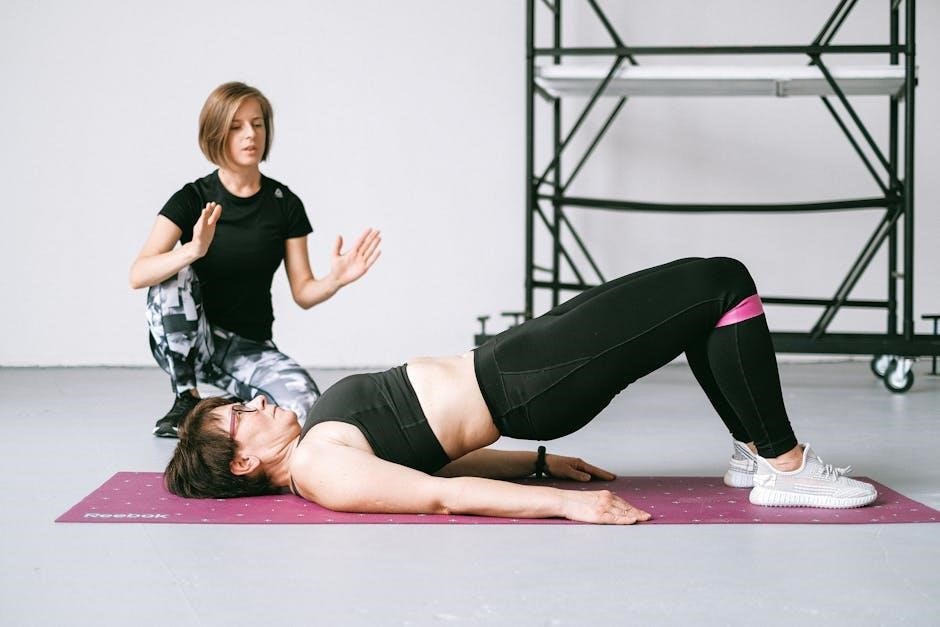
The iliopsoas tendonitis PDF details advanced bridging variations to enhance gluteal and hamstring strength, supporting hip stability․ Swiss ball bridging increases the challenge to core and pelvic control, demanding greater muscle activation․ Progress to single-leg bridging for intensified gluteal engagement and improved balance․
These exercises counteract the hip flexor dominance often associated with iliopsoas issues․ Proper form is paramount – maintain a neutral spine and avoid excessive lumbar extension․ The PDF outlines progressions, emphasizing controlled movements and pain-free execution, crucial for rehabilitation success․
3․3 Side Supports
The iliopsoas tendonitis PDF highlights side supports as a key exercise for enhancing lateral hip and core stability․ These exercises strengthen the gluteus medius, crucial for pelvic control and preventing compensatory movement patterns․ Begin with a standard side plank, ensuring a straight line from head to feet․
Progressions include lifting the top leg or performing hip abduction while maintaining the plank position․ The PDF emphasizes maintaining proper form – avoid hip sagging or rotation․ Side supports contribute to restoring balanced muscle activation around the hip, aiding in pain reduction and functional recovery․
Mobility Exercises for Hip Rotation
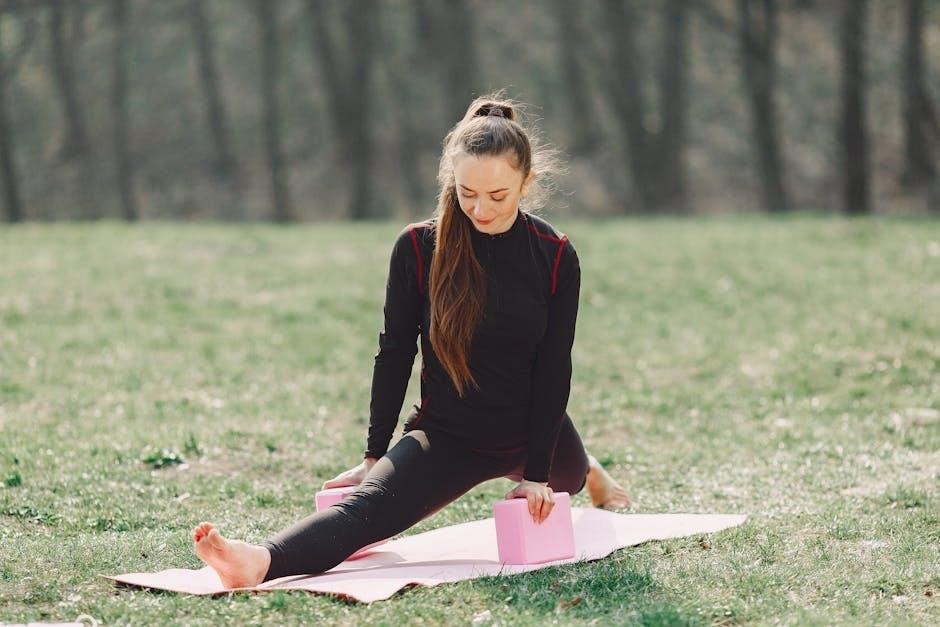
The iliopsoas tendonitis PDF underscores the importance of restoring optimal hip rotation for comprehensive recovery․ Limited hip mobility can exacerbate iliopsoas strain․ Gentle rotational stretches, both internal and external, are recommended to improve joint mechanics․
Exercises like hip CARs (Controlled Articular Rotations) and supine hip rotations with a strap are detailed within the guide․ These movements aim to increase range of motion without aggravating the tendon․ The PDF stresses performing these exercises slowly and within a pain-free range, focusing on quality of movement over quantity․ Improved hip rotation supports better biomechanics․
Stretching Exercises for Iliopsoas
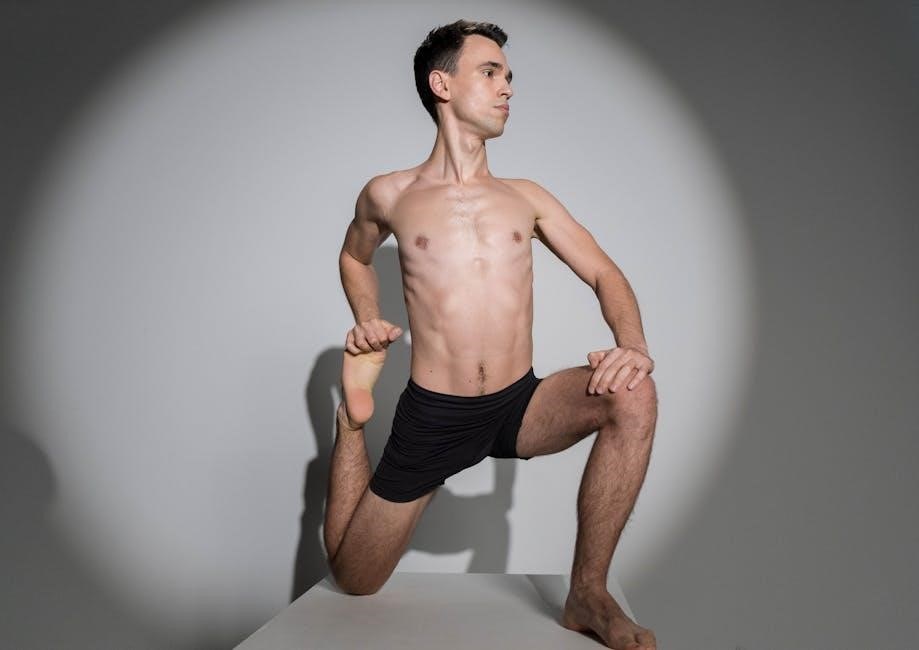
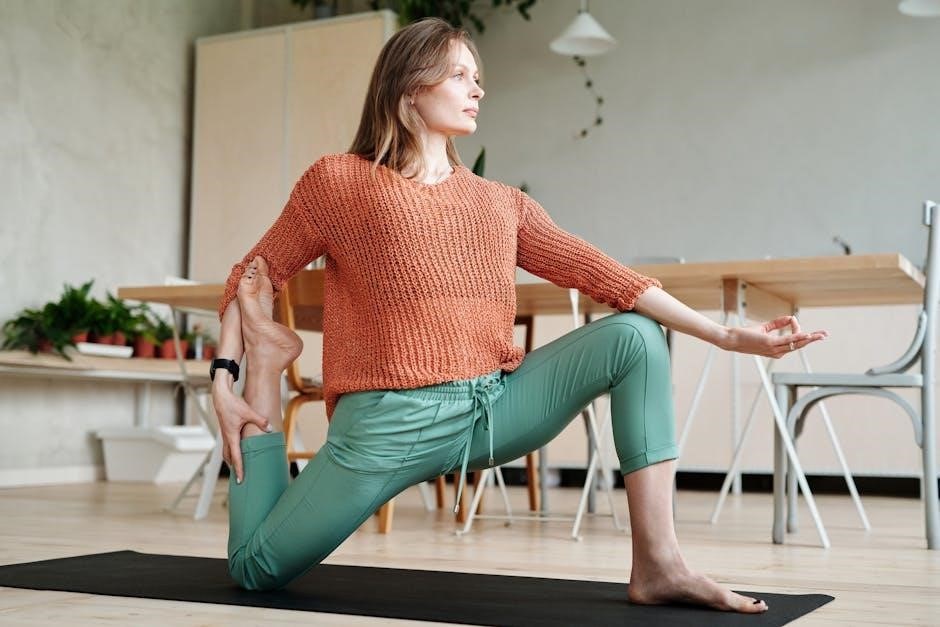
The iliopsoas tendonitis PDF highlights stretching as a foundational element of treatment․ Two primary stretches are detailed: static and dynamic․ Static stretches, like the kneeling iliopsoas stretch, involve holding a position for a sustained period, improving muscle length․
Dynamic stretches, such as leg swings, prepare the muscle for activity․ The PDF emphasizes gentle progression, avoiding overstretching․ It advises feeling a stretch, not pain․ Consistent stretching, as outlined in the guide, aims to reduce muscle tension and improve flexibility, contributing to pain relief and restoring normal function․ Proper form is crucial for effectiveness․
5․1 Static Iliopsoas Stretch
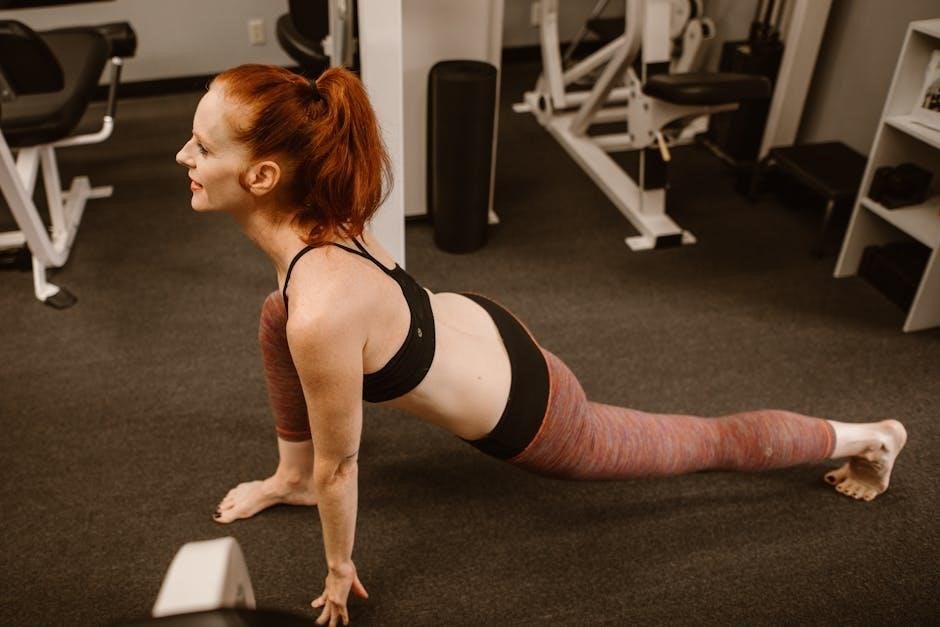
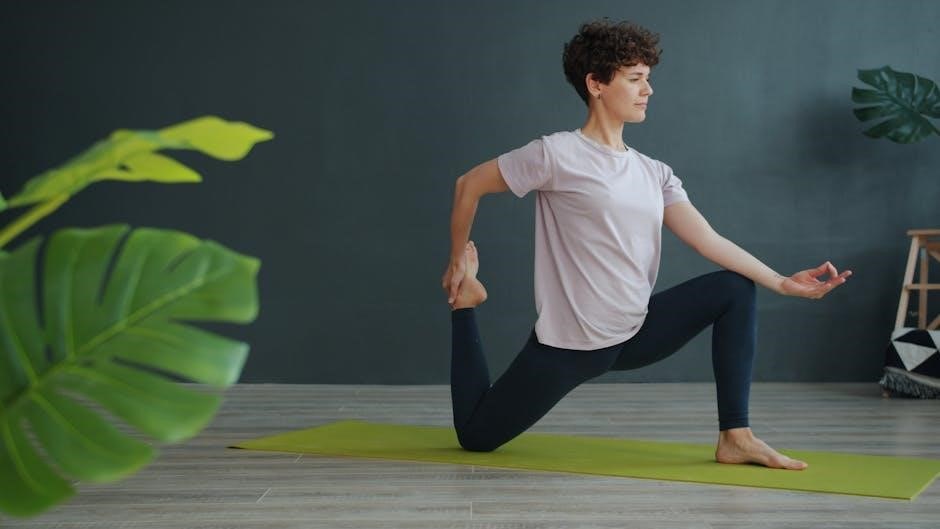
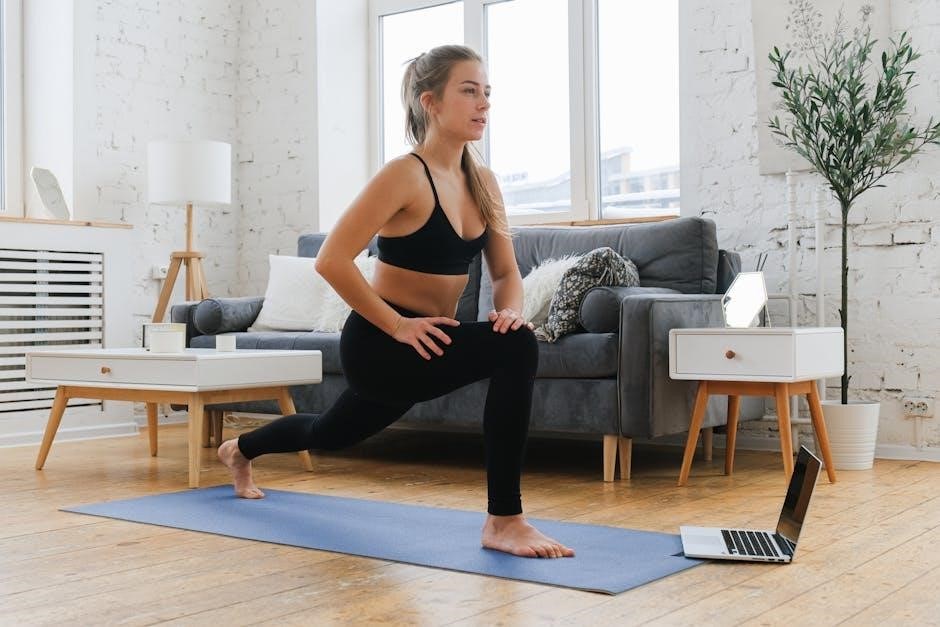
The iliopsoas tendonitis PDF details the static stretch as a key component of the rehabilitation program․ Begin in a half-kneeling position, with the affected side down․ Gently lean forward, maintaining a neutral spine and engaging your core․ You should feel a stretch in the front of the hip and thigh․
Hold this position for 30 seconds, repeating 3 times․ Avoid arching your lower back․ The PDF stresses the importance of a controlled, pain-free stretch․ Modifications, like placing a towel under the knee, can be used for comfort․ This stretch aims to lengthen the iliopsoas muscle, reducing tension and improving flexibility․
5․2 Dynamic Iliopsoas Stretch
The iliopsoas tendonitis PDF highlights dynamic stretching to prepare the muscle for activity․ Begin standing, then gently lift one knee towards your chest, actively pulling it up and in․ Follow this with a controlled lowering of the leg․
Perform 10-15 repetitions on each side, focusing on smooth, controlled movements․ The PDF emphasizes avoiding bouncing or jerky motions․ This dynamic stretch increases blood flow and improves range of motion․ It’s crucial to perform this after a warm-up․ This prepares the iliopsoas for more strenuous exercises, enhancing flexibility and reducing the risk of re-injury․
Strengthening Exercises: Hip Muscles
The iliopsoas tendonitis PDF underscores the importance of hip muscle strengthening for restoring normal function․ Strengthening isn’t solely about the iliopsoas; a balanced approach is vital․
Exercises target both hip flexors and, crucially, the gluteal muscles․ Strong glutes provide stability and counterbalance the hip flexors, preventing imbalances․ The PDF details specific exercises for each muscle group, emphasizing proper form․ Hip strengthening plays a crucial role in improving flexibility and strength, leading to better management of tendonitis․ A comprehensive program ensures optimal recovery and prevents future issues․
6․1 Hip Flexor Strengthening
The iliopsoas tendonitis PDF highlights targeted hip flexor strengthening as a core component of rehabilitation․ While seemingly counterintuitive given the condition, controlled strengthening is essential for restoring function․
Exercises begin with gentle contractions, gradually increasing resistance․ Focus is placed on engaging the iliopsoas without exacerbating pain․ The PDF details progressive exercises, starting with isometric holds and advancing to resisted hip flexion․ Proper form is paramount to avoid re-injury․ Strengthening these muscles improves flexibility and overall hip stability, contributing to long-term pain relief and improved mobility․
6․2 Gluteal Strengthening (Important for Balance)
The iliopsoas tendonitis PDF emphasizes gluteal strengthening as crucial for restoring pelvic and hip stability․ Weak glutes contribute to compensatory movement patterns, exacerbating iliopsoas strain․
Exercises detailed in the guide include glute bridges, clamshells, and hip abduction exercises․ These target the gluteus maximus, medius, and minimus, improving hip extension, external rotation, and stabilization․ Strengthening these muscles counteracts the pull of a tight iliopsoas, promoting balanced muscle activation․ This balanced approach is vital for preventing re-injury and achieving long-term functional improvement, as highlighted within the PDF’s rehabilitation program․
Eccentric Exercises for Rehabilitation
The iliopsoas tendonitis PDF details eccentric exercises as a cornerstone of rehabilitation, specifically targeting the hip flexors to rebuild tendon strength․ Eccentric contractions—lengthening the muscle under load—are particularly effective for addressing tendon pathologies․
The guide instructs patients to perform 3 sets of 15 repetitions of eccentric hip flexion twice daily for 12 weeks․ This controlled loading aims to stimulate collagen synthesis and improve tendon resilience․ The exercise should reproduce tendon pain to no more than 5/10, ensuring a therapeutic, not damaging, stimulus․ Consistent adherence to this protocol, as outlined in the PDF, is key to successful recovery․
7․1 Eccentric Hip Flexion – Dosage (3 sets of 15 reps, twice daily for 12 weeks)
The iliopsoas tendonitis exercises PDF emphasizes a specific dosage for eccentric hip flexion: 3 sets of 15 repetitions, performed twice each day, consistently for a 12-week period․ This structured approach is crucial for optimal tendon rehabilitation․
The PDF highlights that this exercise should elicit a pain response of no more than 5 out of 10 on a pain scale․ This ensures the exercise is challenging yet avoids exacerbating the condition․ Strict adherence to this regimen, as detailed in the PDF, is vital for stimulating collagen production and restoring tendon strength․ Regular monitoring of pain levels is also recommended․
Core Stability Exercises
The iliopsoas tendonitis exercises PDF incorporates core stability work as a vital component of rehabilitation․ A strong core supports the pelvis and spine, reducing stress on the iliopsoas․ Key exercises include single leg cord rotation, enhancing rotational control and stability․
Additionally, the PDF recommends skaters or side-stepping drills, utilizing Pilates techniques or a slide board to improve lateral stability and hip control․ These exercises address imbalances that can contribute to iliopsoas strain․ Focusing on controlled movements and proper form, as illustrated in the PDF, is essential for maximizing benefits and preventing re-injury․
8․1 Single Leg Cord Rotation
The iliopsoas tendonitis exercises PDF details single leg cord rotation as a crucial exercise for enhancing core and hip stability․ Secure a resistance cord around a stable object at waist height․ Standing on one leg, maintain a slight bend in the knee and a neutral spine․
Rotate your torso away from the anchored cord, keeping your core engaged and resisting the pull of the cord․ Slowly return to the starting position, controlling the movement․ This exercise targets the obliques and deep core muscles, improving rotational control and reducing stress on the iliopsoas․ Perform controlled repetitions, focusing on quality over quantity․
8․2 Skaters/Side Stepping (Pilates or Slide Board)
The iliopsoas tendonitis exercises PDF incorporates Skaters/Side Stepping, utilizing either a Pilates reformer or a slide board, to improve lateral hip stability and core control․ Mimic a skating motion by stepping sideways, maintaining a slight bend in your knees and a stable core․
Focus on controlled movements, engaging your glutes and abductors with each step․ This exercise strengthens the hip abductors and external rotators, crucial for stabilizing the pelvis and reducing iliopsoas strain․ The slide board adds a challenge, increasing the demand on stabilizing muscles․ Perform repetitions on each side, prioritizing form and control․
Functional Exercises & Agility
The iliopsoas tendonitis exercises PDF progresses to functional movements, rebuilding agility and preparing you for daily activities․ These exercises mimic real-life motions, enhancing hip and core stability․ Single Knee Bends (Lateral Step Downs) improve lateral control, while Single Leg Windmills challenge balance and hip mobility․
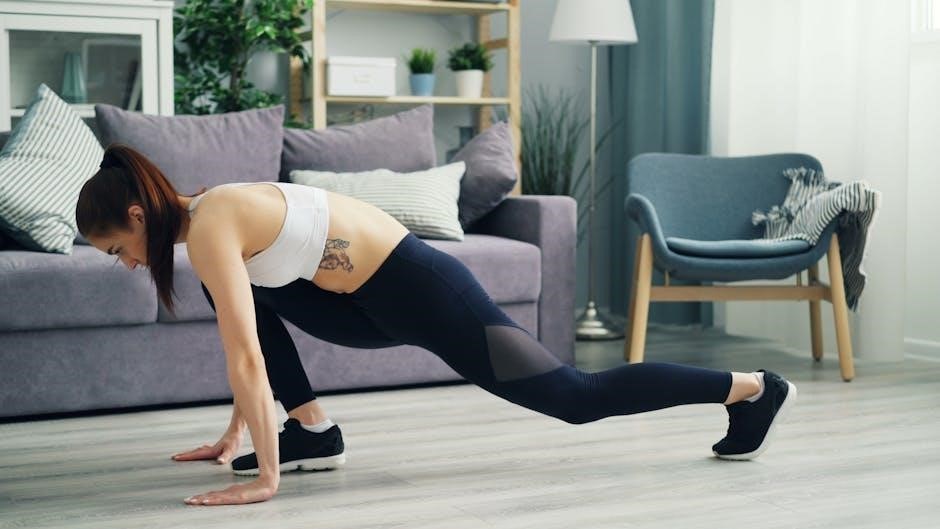
Lunges strengthen the glutes and quads, supporting hip function․ Side-to-Side Lateral Agility drills enhance quickness and coordination․ Focus on maintaining proper form throughout each exercise, avoiding any pain․ Gradually increase repetitions and intensity as your strength improves, guided by the PDF’s progression plan․
9․1 Single Knee Bends (Lateral Step Downs)
The iliopsoas tendonitis exercises PDF details Single Knee Bends (Lateral Step Downs) as a crucial exercise for improving lateral hip control and stability․ Begin standing with a slight bend in one knee, and step laterally with the other leg․ Slowly lower your body by bending the standing knee, maintaining a controlled descent․
Focus on keeping your core engaged and your weight centered․ This exercise targets the hip abductors and adductors, strengthening the muscles surrounding the iliopsoas․ Perform 3 sets of 10-15 repetitions on each leg, ensuring no pain is experienced․ Progress by adding a resistance band around the thighs․
9․2 Single Leg Windmills
The iliopsoas tendonitis exercises PDF incorporates Single Leg Windmills to enhance core stability and hip mobility․ Stand on one leg, keeping a slight bend in the knee․ Hinge at the hips, reaching towards the opposite foot with the free leg, maintaining a straight back․
This dynamic movement challenges balance and strengthens the core muscles essential for pelvic control․ Focus on controlled movements and avoid rounding the back․ Perform 3 sets of 8-12 repetitions on each leg, monitoring for any discomfort․ Modifications include reducing the range of motion or using a support for balance․
9․3 Lunges
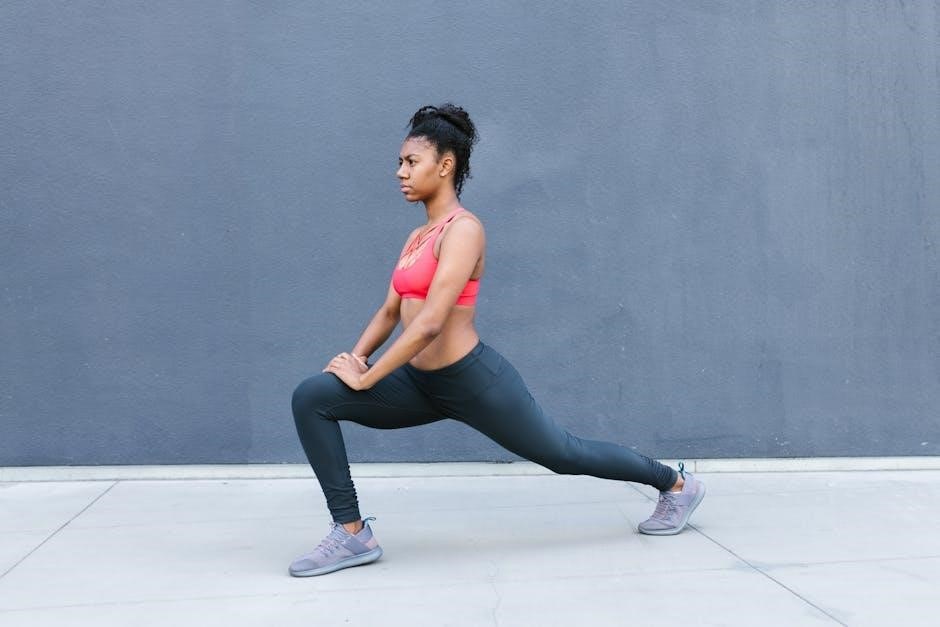
Lunges, detailed within the iliopsoas tendonitis exercises PDF, are crucial for strengthening the hip flexors, glutes, and quadriceps․ Begin with a forward step, lowering your body until both knees are bent at 90-degree angles․ Ensure your front knee stays aligned over your ankle․
Maintain a straight back and engage your core throughout the movement․ Start with 3 sets of 10-12 repetitions per leg, gradually increasing the range of motion as tolerated․ Modifications include performing shorter lunges or using a wall for support․ Focus on controlled descent and ascent to avoid stressing the iliopsoas tendon․
9․4 Side-to-Side Lateral Agility
The iliopsoas tendonitis exercises PDF highlights side-to-side lateral agility drills as vital for functional recovery․ These exercises improve hip stability and coordination, mimicking everyday movements․ Start by standing with feet shoulder-width apart, then quickly shuffle sideways for a set distance (e․g;, 10 feet)․
Focus on maintaining a slightly bent knee position and keeping your core engaged․ Perform 3 sets of 10-15 repetitions in each direction․ Progress by increasing speed or adding a small jump between steps․ This drill enhances hip muscle control and prepares you for more demanding activities․
Advanced Rehabilitation: Running & Progression
The iliopsoas tendonitis exercises PDF details a cautious return to running as a key component of advanced rehabilitation․ Begin with forward or backward running while attached to a cord, providing gentle resistance and support․ This controlled environment helps rebuild endurance and proper running mechanics․
Start with short intervals (e․g․, 30 seconds) and gradually increase duration and intensity․ Monitor for any pain recurrence․ Progression should be slow and individualized, focusing on maintaining good form․ The PDF emphasizes listening to your body and avoiding overexertion to prevent re-injury and ensure a successful return to activity․
10․1 Forward or Backward Running with a Cord
The iliopsoas tendonitis exercises PDF outlines using a cord for assisted running as a crucial progression step․ Attach a light resistance cord to your waist, anchored securely behind you․ This provides gentle support and encourages proper biomechanics during running․
Begin with short distances, alternating between forward and backward running․ Backward running can reduce stress on the iliopsoas․ Focus on maintaining a controlled pace and avoiding any pain․ Gradually increase the cord’s resistance and running duration as tolerated․ The PDF stresses monitoring pain levels and adjusting the exercise accordingly for optimal recovery․
Soft Tissue Mobilization & Myofascial Release
The iliopsoas tendonitis exercises PDF highlights the importance of addressing muscle tightness․ Soft tissue manipulation and myofascial release techniques are recommended to alleviate adhesion and tension within the iliopsoas muscle․ These techniques aim to restore optimal muscle length and reduce stress on the tendon․
A qualified therapist can perform these releases, targeting trigger points and restricted areas․ Self-myofascial release using a foam roller can also be beneficial, but should be performed cautiously․ The PDF emphasizes gentle pressure and avoiding exacerbation of pain․ Combining this with stretching maximizes the benefits for improved mobility․
Lumbopelvic Joint Mobilization
The iliopsoas tendonitis exercises PDF notes that restoring proper lumbopelvic joint mobility is crucial for comprehensive treatment․ Restrictions in this area can contribute to altered biomechanics and increased stress on the iliopsoas․ Mobilization, and potentially manipulation, performed by a skilled practitioner, may be necessary to address these impairments․
These techniques aim to restore normal joint movement and reduce compensatory patterns․ The PDF emphasizes a thorough assessment to identify specific joint restrictions․ Addressing these restrictions can improve pelvic alignment and reduce strain on the iliopsoas tendon, enhancing the effectiveness of other exercises․