Blouse Measurement Guide: Finding Your Perfect Fit (Updated 03/23/2026)
Discover the ideal blouse size with our comprehensive guide, ensuring a comfortable and stylish fit for all body types, especially traditional styles;
Navigating blouse sizing can often feel complex, differing significantly from dress or even top sizes. Unlike standardized clothing categories, blouse fits are influenced by a multitude of factors, including fabric type, style – whether it’s a relaxed, slim, or traditional fit – and the intended occasion. A precise understanding of your body measurements is paramount to selecting a blouse that complements your figure and provides optimal comfort.
The Indian Motif emphasizes the importance of accurate sizing, particularly for traditional blouses where a snug, well-fitted garment is crucial for both aesthetic appeal and functionality. This guide aims to demystify the process, providing detailed instructions and size charts to help you confidently choose the perfect blouse, eliminating guesswork and ensuring a flattering silhouette every time. We will explore key measurements and their implications for various blouse styles.
Understanding Standard Blouse Sizes
Standard blouse sizes, while seemingly straightforward, can vary considerably between brands and retailers. Generally, sizes range from XS to XXL, and beyond, often with numerical equivalents (e.g., 6, 8, 10). However, these labels are not universally consistent. A size 10 in one brand might fit differently than a size 10 in another, highlighting the limitations of relying solely on size tags.
Traditional blouses, particularly those found in Indian and ethnic wear, often adhere to different sizing conventions. These may be based on ready-made sizes or require custom tailoring to achieve a precise fit. Understanding that a blouse’s size is a starting point, not a definitive guarantee of fit, is crucial. Always prioritize measuring yourself and comparing those measurements to the specific brand’s size chart for the most accurate results.
Why Accurate Measurements Matter
Precise measurements are paramount when selecting a blouse, especially when purchasing online where trying before buying isn’t possible. Relying on assumed sizes can lead to frustration and the cost of returns or alterations. Accurate measurements ensure the blouse drapes correctly, enhances your figure, and provides all-day comfort.
For traditional blouses, particularly those integral to cultural attire, a perfect fit is even more critical. These garments are often designed to complement specific body shapes and styles. Incorrect measurements can compromise the overall aesthetic and comfort. Taking the time to measure accurately minimizes the risk of a poorly fitting blouse and maximizes your confidence and enjoyment when wearing it.
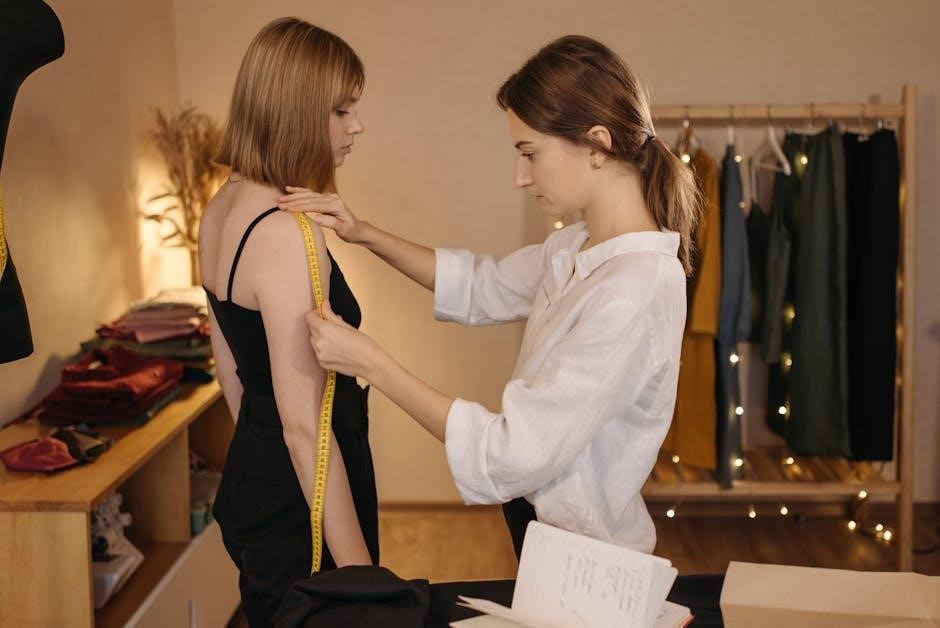
Key Measurements for Blouses
Essential measurements – bust, waist, sleeve length, shoulder, and back width – are crucial for determining your perfect blouse fit and style.
Bust Measurement
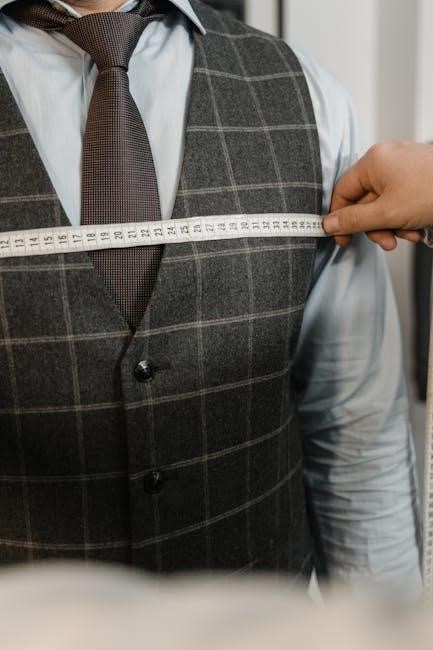
Accurate bust measurement is foundational for a well-fitting blouse. Begin by wearing a properly fitted, unpadded bra – this ensures the most reliable results. Stand naturally with your arms relaxed at your sides. Using a flexible measuring tape, wrap it around the fullest part of your bust, keeping the tape level across your back.
Do not pull the tape too tightly, nor should it be loose; it should be snug but comfortable. Ensure the tape measures horizontally, not diagonally. Record the measurement in inches or centimeters. For the most precise fit, it’s often helpful to have a friend assist you with this measurement, guaranteeing the tape remains level and accurate. This measurement is vital when selecting blouses, particularly those with fitted styles or detailed designs.
Waist Measurement
Determining your waist measurement is crucial for blouses designed to cinch or define the waistline. Locate your natural waist – this is typically the narrowest part of your torso, usually about an inch above your belly button. Stand comfortably and exhale normally. Wrap a flexible measuring tape around your natural waist, ensuring it sits level all the way around your body.
Avoid pulling the tape too tightly; it should be snug but allow for comfortable breathing. Maintain the tape horizontally, not angled. Record your measurement in inches or centimeters. For accurate results, measure directly against your skin or over a light layer of clothing. This measurement is particularly important for fitted or tailored blouse styles, ensuring a flattering silhouette.
Sleeve Length Measurement
Accurate sleeve length ensures a comfortable and proportionate blouse fit. There are several methods to determine this measurement. Begin by having someone assist you, or use a mirror for self-measurement. Start at the shoulder point – where your shoulder seam naturally falls. Measure down the outside of your arm, over a slightly bent elbow, to your desired sleeve length.
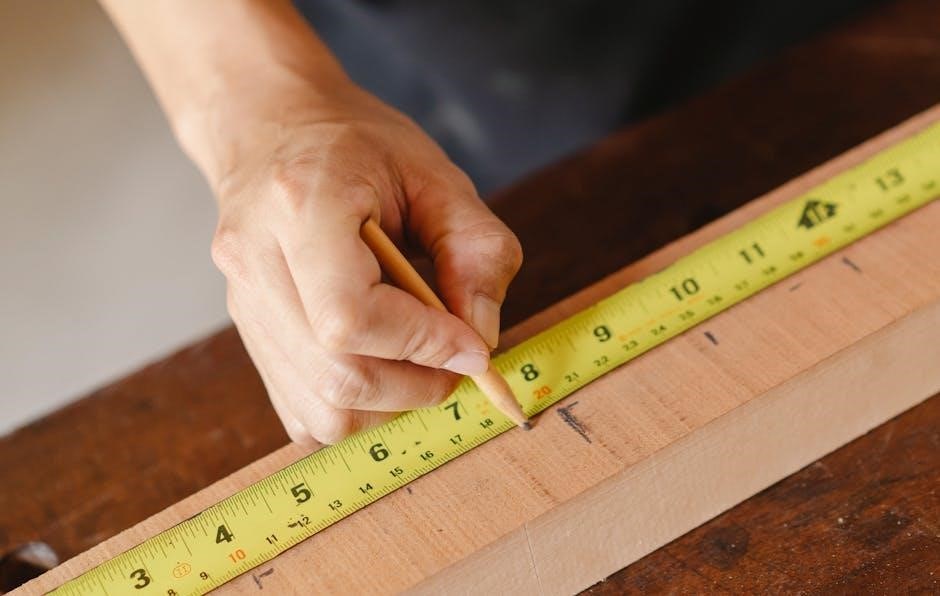
Common sleeve length options include short, 3/4 length, and long sleeves. For long sleeves, measure to your wrist bone. For 3/4 sleeves, stop approximately three inches above your wrist. Note whether you prefer a fitted or looser sleeve. This measurement is vital for blouses with defined sleeves or those requiring precise tailoring.
Shoulder Width Measurement
Determining shoulder width is crucial for a blouse that sits correctly and comfortably. This measurement impacts the overall fit across the upper back and chest. To measure, find the outermost point of one shoulder. Then, measure across your back to the outermost point of the other shoulder. Keep the measuring tape straight and level – don’t let it dip down your back.
Ensure your arms are relaxed and hanging naturally at your sides during measurement. A correct shoulder width prevents pulling or gaping at the seams. This is particularly important for structured blouses or those with specific shoulder detailing. Accurate shoulder width contributes significantly to a flattering and well-fitted garment.
Back Width Measurement
The back width measurement is often overlooked, yet it significantly impacts how a blouse drapes and fits across the upper back. To obtain this measurement, locate the point where your shoulder meets your arm on each side. Then, measure straight across your back between these two points, keeping the tape measure level.
This measurement is especially important for blouses with intricate back designs, such as those with pleats, darts, or cutouts. A correct back width ensures the blouse doesn’t feel constricting or pull across the shoulder blades. It contributes to a smoother, more comfortable fit, enhancing the overall silhouette and appearance of the blouse.
Types of Blouse Fits & Their Measurement Implications
Different blouse fits – regular, slim, loose, and traditional – require varying measurement considerations for achieving the most flattering and comfortable style.
Regular Fit Blouses
Regular fit blouses are designed with a classic silhouette, offering comfortable ease of movement without being overly loose or restrictive. When selecting a regular fit blouse, focus on your bust and shoulder measurements as primary indicators of size. These blouses generally provide a standard amount of ease, meaning there’s a bit of extra fabric for comfort.
However, don’t solely rely on these; consider your waist measurement to ensure a flattering shape. A regular fit doesn’t necessarily mean it will accommodate all body shapes identically. Pay attention to the blouse’s cut – some regular fit styles may be slightly tailored, while others are more boxy.
Generally, a regular fit will allow for comfortable layering underneath. If you’re between sizes, it’s often advisable to size up for a more relaxed feel. Always check the specific brand’s size chart, as “regular fit” can vary slightly between manufacturers.
Slim Fit Blouses
Slim fit blouses are tailored to closely follow the body’s natural curves, creating a more polished and defined silhouette. Accurate measurements are crucial when choosing a slim fit blouse, as there’s less room for error compared to looser styles; Prioritize your bust, waist, and shoulder measurements – all three are equally important for a flattering fit.
These blouses typically have minimal ease, meaning they’re designed to be closer-fitting. If you’re between sizes, consider sizing up, especially if you prefer a slightly more comfortable feel or plan to wear layers underneath. Pay close attention to the fabric; stretch fabrics will offer more give and comfort.
Always consult the brand’s specific size chart, as slim fit can vary significantly. A well-fitted slim blouse should accentuate your shape without feeling constricting.
Loose Fit/Oversized Blouses
Loose fit and oversized blouses prioritize comfort and a relaxed aesthetic. While seemingly forgiving, accurate shoulder width and sleeve length measurements remain vital for preventing a shapeless or sloppy appearance. Bust and waist measurements are less critical, but still helpful for gauging overall proportion.
These styles often feature a more generous cut through the body, offering ample room for movement. Consider your desired level of “oversized” – do you want a slightly relaxed fit or a dramatically oversized look? This will influence your size selection.
Pay attention to the blouse’s drop shoulder or overall length, as these details contribute to the overall silhouette. Don’t assume you can simply size down; check the garment’s measurements to ensure a comfortable, yet intentional, fit.
Traditional Blouse Fits (Indian/Ethnic)
Traditional Indian and ethnic blouses, often paired with sarees or lehengas, require exceptionally precise measurements due to their close-fitting nature and crucial role in overall garment drape. Beyond standard bust and waist, the back width and blouse length are paramount.
The bust measurement dictates the overall fit across the chest, while the waist measurement ensures a snug yet comfortable feel. Back width is critical for a secure and flattering fit, preventing gaping or discomfort. Blouse length impacts how the saree or lehenga falls.
Consider measurements with the specific saree or lehenga you intend to pair the blouse with, as draping styles can influence the ideal blouse length. Accurate measurements are essential for tailoring a perfectly fitted, culturally appropriate garment.
Detailed Measurement Instructions
Follow our step-by-step guides for accurate bust, waist, sleeve length, and shoulder width measurements, ensuring a perfect fit every time you shop.
How to Measure Bust Accurately
To obtain a precise bust measurement, wear a comfortably fitting, unpadded bra. Stand naturally with your arms relaxed at your sides. Have a helper measure, or use a long tape measure and a mirror.
Wrap the tape measure around the fullest part of your bust, ensuring it’s level all the way around your back. Don’t pull the tape too tightly; it should be snug but not constricting.
Exhale normally and record the measurement in inches or centimeters. For the most accurate results, repeat the measurement a couple of times to confirm consistency.
Note that your bust measurement is not your bra size; it’s a crucial component in determining your overall blouse fit. Consider whether you prefer a looser or more fitted style when selecting your size, as this will influence how you interpret your bust measurement within a size chart.
How to Measure Waist Correctly
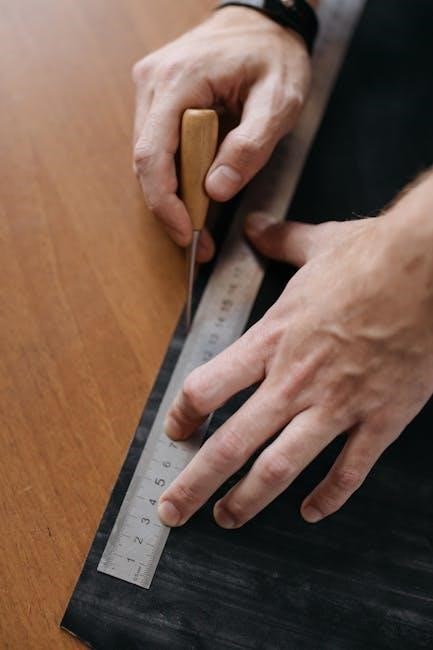
Finding your natural waistline is key for an accurate measurement. This is typically the narrowest part of your torso, located above your belly button and below your ribcage. You can gently bend to the side to identify the crease that forms – that’s your natural waist.
Stand comfortably with your feet shoulder-width apart and relax your abdomen. Don’t suck in your stomach or hold your breath. Wrap a flexible tape measure around your natural waistline, ensuring it’s level all the way around.
The tape should be snug but not tight, allowing for comfortable breathing. Record the measurement in inches or centimeters. Repeat the measurement to confirm accuracy.
Remember that waist measurements can vary depending on the style of blouse. For fitted blouses, use your natural waist measurement. For looser styles, you might consider measuring where you prefer the blouse to fall.
Measuring Sleeve Length – Different Methods
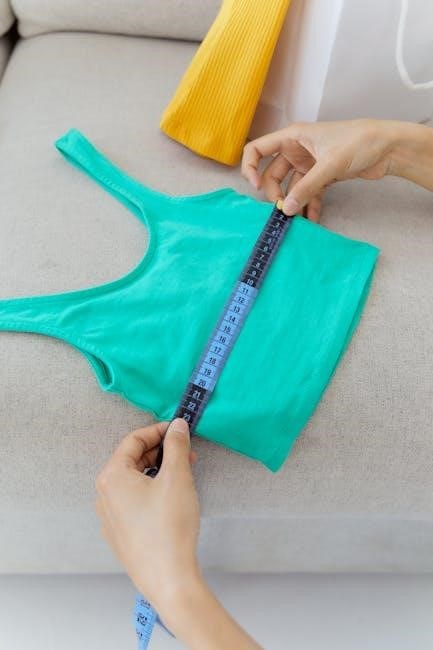
Accurate sleeve length ensures a comfortable and flattering fit. There are a few methods to determine your ideal sleeve length, depending on your preference and the blouse style.
Method 1: From shoulder point to wrist. Measure from the prominent bone at the top of your shoulder, down the outside of your arm, to your wrist bone. Keep your elbow slightly bent during measurement.
Method 2: From shoulder point to desired end point. If you prefer a specific sleeve length (e.g., 3/4 sleeve), measure from the shoulder point to where you want the sleeve to end.
Consider the blouse style. Raglan sleeves require a different measurement point than set-in sleeves. Always double-check the blouse’s specific measurement instructions if provided.
Measuring Shoulder Width
Determining your shoulder width is crucial for a blouse that sits correctly and comfortably. This measurement impacts the overall fit across the upper back and chest.
To measure, find the outermost point of one shoulder. Then, measure across your back to the outermost point of the other shoulder. Ensure the measuring tape is straight and follows the natural curve of your shoulders – don’t pull it too tightly.
It’s helpful to have someone assist you with this measurement for greater accuracy. Stand naturally with your arms relaxed at your sides. A slightly rounded posture is normal, so measure as you stand.
Compare your measurement to the size chart, noting that some brands may measure shoulder width differently.

Size Charts & Conversions
Explore our detailed size charts for US, UK, EU, and Indian sizes to find your perfect blouse fit with ease and confidence.
Standard US Blouse Size Chart
Navigating US blouse sizes can be straightforward with this handy chart. Please remember that sizing can vary slightly between brands, so always check the specific brand’s size guide when available. This chart provides a general overview to help you determine your starting point.
| Size | Bust (inches) | Waist (inches) |
|---|---|---|
| XS (0-2) | 30-32 | 23-25 |
| S (4-6) | 32-34 | 25-27 |
| M (8-10) | 34-36 | 27-29 |
| L (12-14) | 36-38 | 29-31 |
| XL (16-18) | 38-40 | 31-33 |
| XXL (20-22) | 40-42 | 33-35 |
For the most accurate fit, we recommend measuring yourself and comparing your measurements to this chart. Consider the blouse’s style – a fitted blouse will require more precise measurements than a looser style.
International Size Conversions (UK, EU, India)
Shopping for blouses internationally requires understanding size variations. Below is a general conversion guide, but remember that discrepancies can occur between brands. Always consult the specific retailer’s size chart for the most accurate fit. These are approximate conversions and should be used as a starting point.
| US Size | UK Size | EU Size | India Size |
|---|---|---|---|
| XS (0-2) | 6-8 | 34-36 | Small |
| S (4-6) | 10-12 | 38-40 | Medium |
| M (8-10) | 14-16 | 42-44 | Large |
| L (12-14) | 18-20 | 46-48 | X-Large |
Indian sizes often run smaller, so consider sizing up. Always prioritize accurate bust and waist measurements for the best fit, regardless of the region.
Plus Size Blouse Measurement Guide
Finding a perfectly fitting blouse in plus sizes requires careful measurement. Don’t rely solely on numerical sizes, as they vary significantly between brands. Prioritize accurate bust, waist, and hip measurements for the most flattering fit. When measuring your bust, ensure the tape measure is level and snug, but not tight.
For plus-size blouses, consider the fabric’s stretch and drape. A blouse with some give will offer more comfort and flexibility. Pay attention to shoulder width, as this impacts how the blouse sits. Many retailers offer extended sizing charts specifically designed for plus-size figures. Utilize these resources!
Remember to measure yourself wearing similar undergarments to those you’ll wear with the blouse. This ensures a realistic and accurate measurement.
Troubleshooting Common Fitting Issues
Address fit problems effectively by revisiting measurements and understanding blouse styles; alterations can refine the fit for optimal comfort and appearance.
Blouse Too Tight Across the Bust
Experiencing tightness across the bust area is a common fitting issue with blouses. First, re-measure your bust, ensuring the measuring tape is level and snug, but not constricting. Compare this measurement to the size chart for the specific blouse brand, as sizing can vary significantly.
If your bust measurement falls between sizes, it’s generally recommended to size up, particularly if the blouse fabric has limited stretch. Consider the blouse’s style; a tailored or fitted blouse will naturally have less give than a looser-fitting one.
Check the blouse’s construction – are there darts or seams that could be let out by a tailor? A professional alteration can often provide a perfect fit; If the fabric lacks stretch and alterations aren’t feasible, exchanging for a larger size is the best solution. Remember to account for undergarments when measuring and trying on blouses.
Blouse Too Loose at the Waist
A blouse that’s too loose at the waist can detract from your silhouette; Begin by verifying your waist measurement and comparing it to the size chart. If the blouse is designed for a more relaxed fit, some looseness is expected, but excessive gaping indicates a sizing issue.
Explore options for cinching the waist. A belt is a simple and effective solution, adding definition and structure. Alternatively, consider if the blouse can be tailored – taking it in at the side seams can create a more fitted look.
If the blouse features a drawstring or adjustable ties, utilize these to tighten the waist. For blouses with a looser, flowing style, pairing them with high-waisted bottoms can balance the proportions. Remember to consider the fabric’s weight and drape when assessing the fit.